No—I learned this painful lesson when my bathroom joints turned crusty and moldy within two years.
Decorator’s caulk is acrylic-based, so it can’t handle constant moisture like showers and sinks. It’ll crack, deteriorate, and basically become a moisture problem behind your fixtures.
Silicone sealant is what you actually need—it stays flexible, resists mold, and lasts 10+ years. Save decorator’s caulk for dry spots like baseboards.
Keep reading to find which silicone products will perform best.
Can You Use Decorator’s Caulk in a Bathroom?
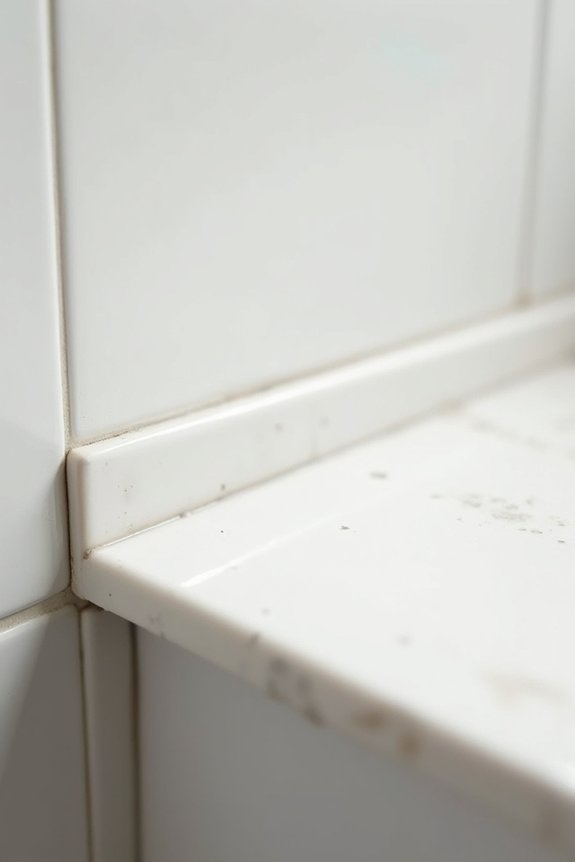
Why do we always reach for the wrong product first? I grabbed decorator’s caulk for my bathroom gap—figuring, hey, it’s flexible, it’s paintable, problem solved. Wrong. Turns out I’d just installed a moisture time bomb behind my sink. Here’s the thing: decorator’s caulk lacks the flexibility that silicone sealant offers, making it vulnerable to bathroom moisture. While it works fine around skirting boards elsewhere, bathrooms demand something tougher. Silicone sealants—especially sanitary varieties—actually stand up to dampness. I learned this the hard way, watching my caulk crack within months. You’ll want to avoid decorator’s caulk near showers, tubs, anywhere moisture lurks. It’s like using a marker on fabric—theoretically possible, practically disastrous. Choose the right tool; your bathroom (and your wallet) will thank you.
Choosing the Right Sealant for Bathroom Joints
Now that we’ve established decorator’s caulk is basically the bathroom equivalent of wearing a cotton t-shirt to a water park, let’s talk about what actually works. I’m talking silicone sealant—the real deal for bathroom joints. Here’s the thing: silicone outperforms decorator’s caulk in every moisture-prone scenario. It resists water like it’s got a grudge, stays flexible without cracking, and actually fights mold. I learned this the hard way after my first bathroom disaster.
For your tiles and fixtures, grab a sanitary, bath-specific silicone. Solvent-free options are your friend if color-matching matters to you. Products like MAPESIL SOLVENT-FREE deliver durability and visual appeal simultaneously. The catch? Proper prep and patience. You’ll need to let that silicone cure completely before introducing moisture—no shortcuts. This matters.
Why Silicone Beats Decorator’s Caulk in Bathroom Moisture
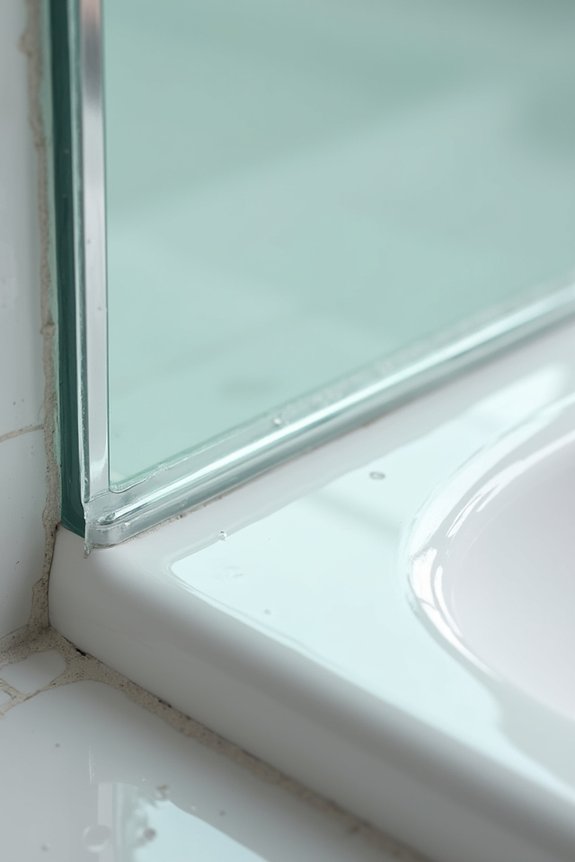
The difference between silicone and decorator’s caulk in a bathroom is basically the difference between a raincoat and a paper towel—one actually does its job. I learned this the hard way when my bathroom caulk cracked faster than my resolve during a Chuck E. Cheese birthday party.
Here’s the thing: decorator’s caulk is acrylic-based, meaning it flexes like wet spaghetti under moisture. Your silicone sealant, though? It’s engineered for bathrooms specifically. It resists water, stays flexible, and repels mold effectively.
Bathroom caulk that’s actually silicone maintains its seal while decorator’s caulk deteriorates into crusty failure. The moisture resistance isn’t even comparable—silicone was literally designed for this chaos we call shower time.
Where Decorator’s Caulk Still Works: Low-Moisture Applications
So here’s where I stop roasting decorator’s caulk like it personally wronged me—it’s actually decent at its job, just not my job. In low-moisture gaps between skirting boards and walls, decorator’s caulk works well. The drying time? One to two hours, which means I’m not waiting around like my dad staring at paint dry (literally his idea of weekend entertainment). You can paint over it once cured, keeping everything seamless and finished-looking. It’s perfect for wooden furniture joints and indoor trim work where moisture never crashes the party. I’m jealous, honestly—that quick drying time would’ve saved me countless Saturday mornings. Decorator’s caulk knows its lane and owns it.
Your Bathroom Sealant Toolkit: Choosing the Right Product
Why’d I waste three years stuffing decorator’s caulk into shower gaps like some kind of optimistic fool? I finally realized my bathroom toolkit needed a complete overhaul. Here’s what actually works:
| Product | Best For | Durability | Moisture Resistance |
|---|---|---|---|
| Silicone Sealant | Showers, tubs, tiles | 10+ years | Excellent |
| Decorator’s Caulk | Baseboards, trim | 2-3 years | Poor |
| Color-Matched Silicone | Seamless finishes | 8+ years | Superior |
| Standard Caulk | Drywall cracks | 1-2 years | Minimal |
For bath/shower use, I stopped settling for mediocrity. High-grade silicone labeled specifically for bathrooms—like MAPESIL SOLVENT-FREE—delivers the seamless finishes I’d envied in professionally renovated homes. Decorator’s caulk? It’s basically confetti in moisture zones. My shower finally stopped mocking me after proper surface prep and full curing. Switch to silicone; your bathroom will perform better.